
Carotenoids
Lycopene
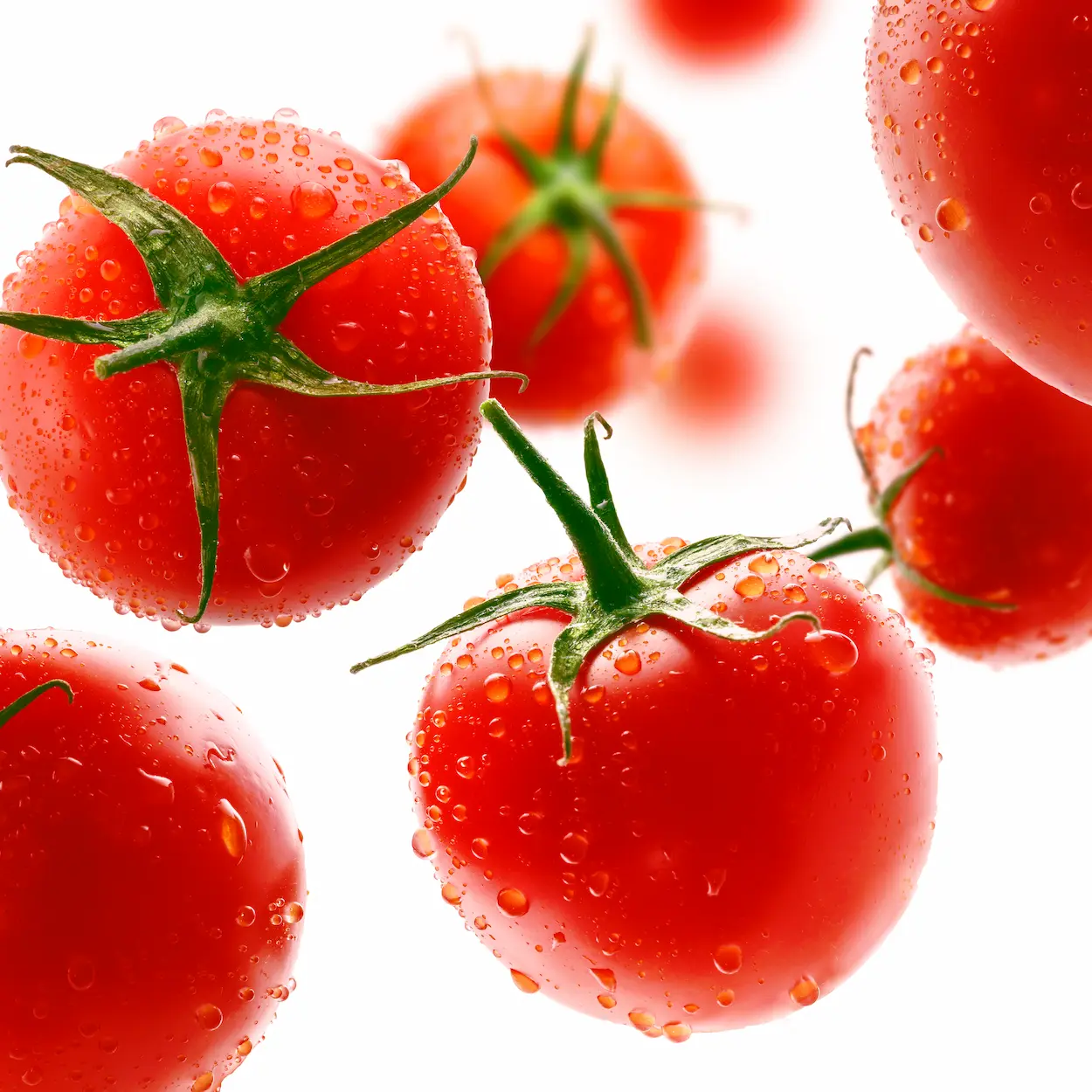
Lycopene is a bright red carotenoid pigment found abundantly in tomatoes, watermelon, and pink grapefruit. It is a potent antioxidant known to combat oxidative stress, which contributes to aging and chronic diseases. Unlike many other nutrients, lycopene becomes more bioavailable when cooked or processed, making it ideal for supplements. Its anti-inflammatory properties help in reducing the risk of heart disease and certain types of cancers, especially prostate cancer.
Benefits:
- Promotes heart and prostate health
- Supports skin protection from UV damage
- May reduce oxidative stress and inflammation
- Helps maintain healthy cholesterol levels
Lutein
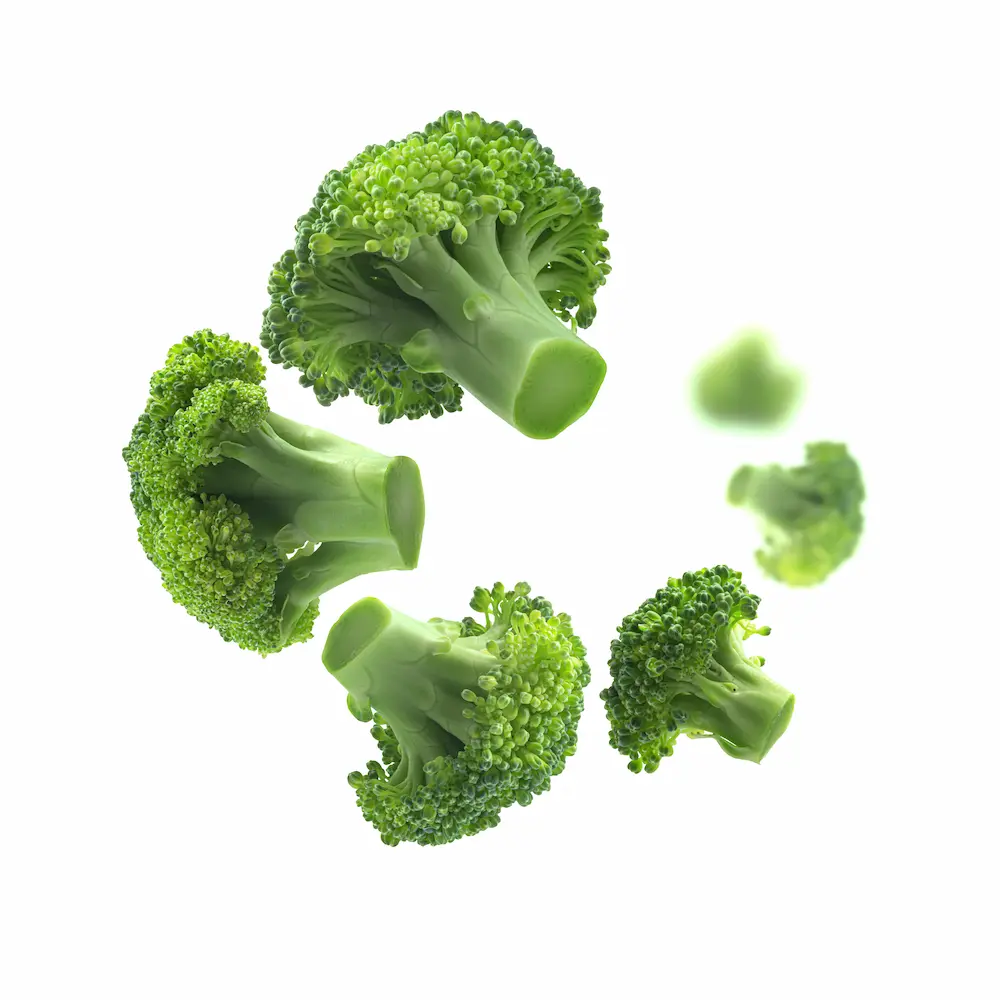
Lutein is a yellow carotenoid classified as a xanthophyll and is most concentrated in the macula of the human eye. Found in leafy greens such as kale, spinach, and broccoli, lutein plays a critical role in maintaining long-term eye health. It acts as a natural filter of harmful blue light emitted from digital screens, helping reduce eye strain and fatigue. It also contributes to skin health by enhancing hydration and protecting against oxidative damage from environmental stressors.
Benefits:
- Supports eye health and vision clarity
- Protects against blue light and digital eye strain
- Rich antioxidant for skin and cellular health
- May reduce risk of age-related macular degeneration (AMD)

Zeaxanthin
Zeaxanthin is a close relative of lutein, often found in the same foods and frequently used together in eye health supplements. It’s one of only two carotenoids found in the human retina, where it provides a protective shield against UV and high-energy light. Zeaxanthin is essential for preventing oxidative damage to delicate eye tissues and plays a role in reducing the progression of eye disorders like cataracts and macular degeneration. It also contributes to skin health by reducing photoaging.
Benefits:
- Enhances retinal health and eye protection
- Works synergistically with lutein for stronger effects
- Shields eyes from oxidative damage
- Supports better contrast sensitivity and visual function
Astaxanthin
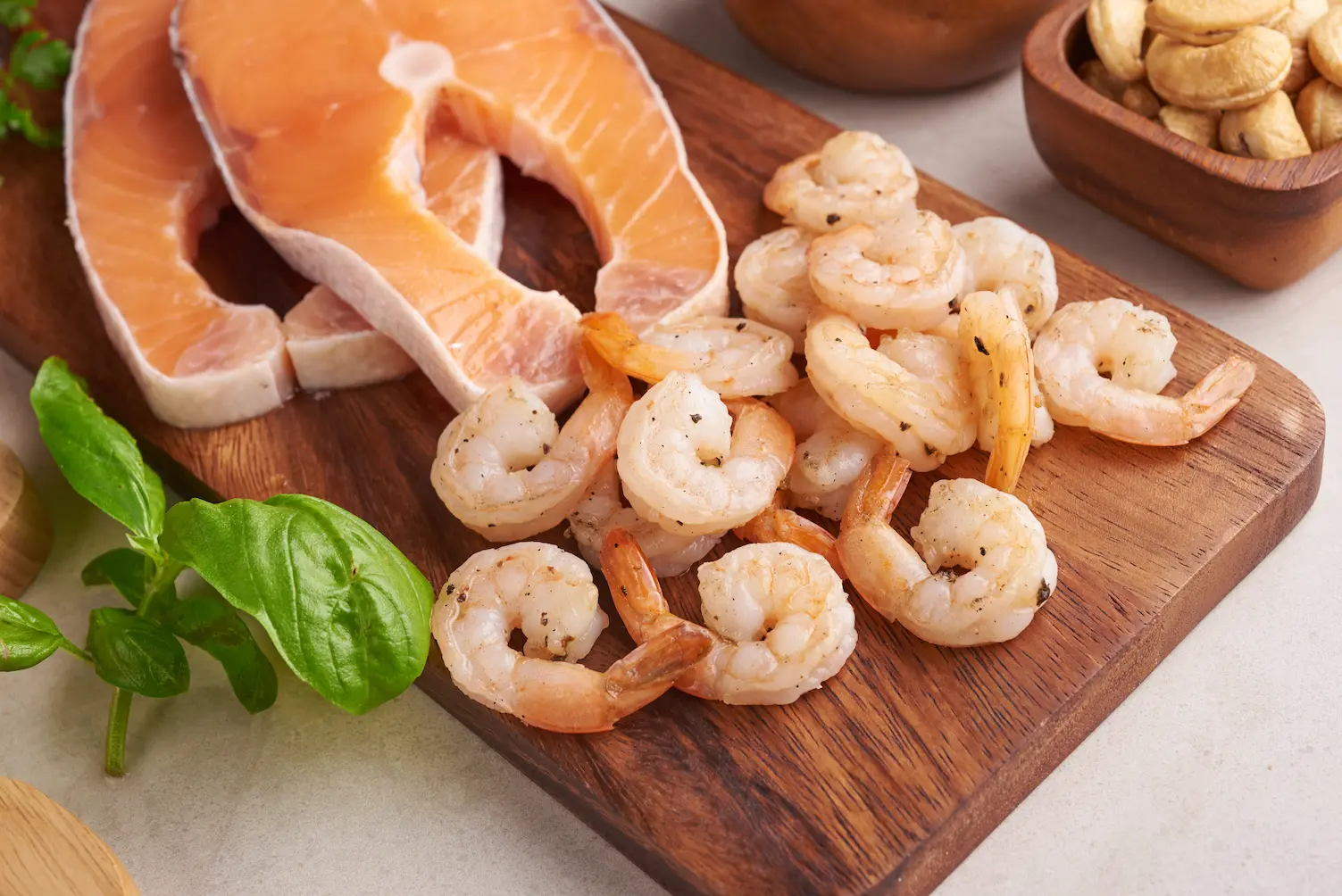
Astaxanthin is a naturally occurring red pigment found in microalgae, shrimp, and salmon, but it is primarily extracted from the microalga Haematococcus pluvialis for supplements. Renowned as one of the most powerful natural antioxidants, it crosses the blood-brain and blood-retina barriers, providing deep cellular protection. Astaxanthin is known to improve skin tone, reduce signs of aging, and enhance physical endurance, making it popular among athletes and wellness enthusiasts. Its anti-inflammatory and anti-fatigue properties make it a versatile nutrient for holistic wellness.
Benefits:
- Supports skin elasticity and reduces fine lines
- Enhances muscle endurance and recovery
- Protects against oxidative stress and UV exposure
- Boosts immune system and cardiovascular health

Beta-Carotene
Beta-carotene is a vibrant orange-red pigment found in carrots, pumpkin, and sweet potatoes. It serves as a provitamin A compound, meaning the body converts it into Vitamin A based on need. Vitamin A is vital for vision, immune function, and skin renewal. Beta-carotene is also known to support lung health and may help reduce the risk of chronic diseases by neutralizing free radicals. Its protective properties make it a great nutrient for maintaining youthful skin, sharp eyesight, and a strong immune defense.
Benefits:
- Converts to Vitamin A for healthy vision and skin
- Strengthens immune system
- Acts as a powerful antioxidant
- Supports respiratory and reproductive health